Where the follow-up questions are set in the order of work, and how to walk the conversation from the visitor's side.


You decide what has to be understood before an offer: scope, timing, city, current solution. The widget asks about that rather than about whatever comes to mind.

The next step is taken from what you actually offer and from your pages, not invented to fit the visitor's answer.

The widget's replies are short, so the conversation does not turn into a ten-field form.

From "we need marketing" comes a description of the task that a sales rep can actually work with.
A phone number does not become a condition of the conversation. If the visitor is not ready, the conversation does not end there.
A form asks for contact details before a person has worked out what they want. The conversation is built differently: first it helps name the task, then it offers what relates to it. A sales rep gets a description of the situation instead of an empty inquiry.


There is no universal next step. It depends on what you need to get and on the page the conversation is happening on.
Book a slot, send a brief, start a trial. The conversation follows the steps you listed and does not invent its own.
On a service page it makes sense to offer a brief, on a pricing page, registration. The same step does not fit everywhere.
What is included, whether it suits them, what will happen on the call. Until those are settled, it is too early to offer a booking.
A call, a demo, a consultation or a visit. The conversation leads to the action you named.
You write the questions for each page. A service page and a catalog need different things clarified, so the sets of questions differ too.
Someone weighing up options gets a question that is to the point
instead of an invitation to fill in a form.
Behind the word "expensive" there can be anything,
from the scope of work to a pricing model nobody explained.

It clarifies the task with your questions, suggests a next step from what you offer, and does not turn the conversation into contact harvesting.
You write the questions for a page and the order it makes sense to ask them in.
After that the conversation runs within those bounds.
A service page and a catalog need different things clarified, so the questions are set separately.
You put into words what matters before an offer: scope, timing, city, current solution.
You say what to offer after the clarification and which pages suit that.
You go through the conversation as a visitor and adjust the questions until they sound natural.
Write your own follow-up questions and go through the conversation yourself.
Create your account, describe what matters before an offer, and see what the conversation looks like from the visitor's side.
How common this already is
Where the follow-up questions are set in the order of work, and how to walk the conversation from the visitor's side.
The next step is taken from what you offer. How that gets into the knowledge base.
When there is nothing left to clarify: cases where a conversation on the site does not solve the visitor's problem.
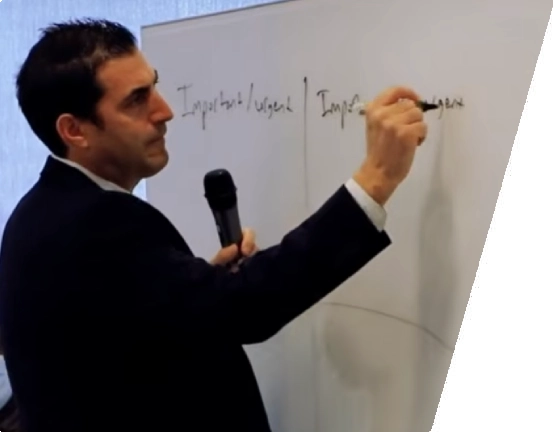
Focus on making your customer as successful as possible, and your own success will follow.
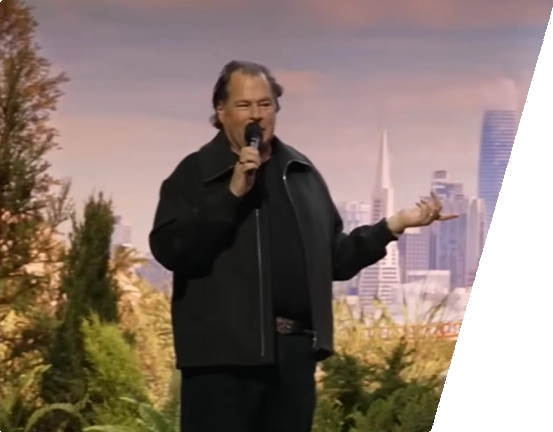
The future of talking to customers is engaging through every channel there is: phone, email, chat, the web and social networks.
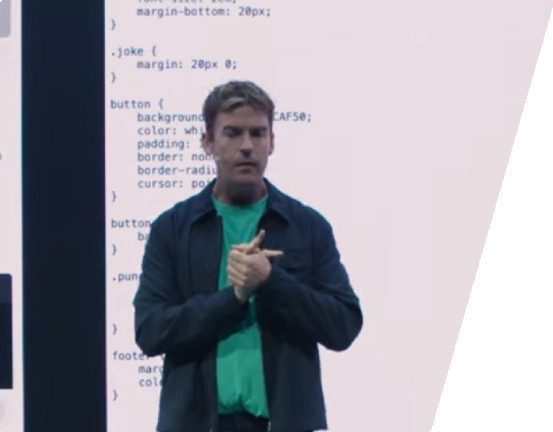
A person together with a machine is more effective than a machine, and a machine is more effective than a person working without one.

Set up the first conversation on the pages that matter: what to explain, which questions to ask, when to stay quiet and what to pass to your team.