What goes to a person by default, what can be added to the list of off-limits subjects and who is responsible for it.


You list what the widget does not discuss on its own: contracts, custom quotes, complaints, non-standard integrations.

A question outside your material is built to go to a person rather than turn into a confident guess.

The sales rep sees which page the conversation was on, what the visitor asked for and what has already been explained.

Anything that could not be established shows as a gap, not as a fact. The sales rep does not mistake a guess for data.
If a conversation is going in circles, you can set a threshold after which a person picks it up.
Handing a conversation over on its own settles very little: the sales rep still starts from nothing. The value is in the context that arrives with the conversation, and in the fact that what is unknown is honestly marked as unknown.


A conversation on a service page. The widget explains what you have already written and honestly marks what it did not establish: the sales rep should see the boundary rather than guess at it.
 Assistant on your website
Service, full-service marketing
Assistant on your website
Service, full-service marketing
How common this already is
The sales rep gets a summary, not a wall of messages. Everything in it was said in the conversation.
What is needed, when and at what scale, asked inside the conversation rather than through a separate ten-field form.
What the person decided to share themselves is recorded, along with how they would prefer to carry on.
The sales rep reads a short card and opens the full conversation if they need to, rather than decoding it from scratch.
What is unknown is marked as unknown rather than filled in with a plausible assumption.
The boundaries differ from page to page. On a pricing page it needs to hand over earlier than in a section of answers to common questions.
What your pages do not answer goes to a person
instead of turning into a plausible answer.
Contracts, custom quotes and non-standard terms
are discussed by a person, not by the widget.

It works within your material and your boundaries, and beyond them it passes the conversation to a person together with what has already been established.
You describe the boundaries and what the sales rep should see.
After that the conversation runs within those bounds.
The subjects the widget does not discuss on its own, and the questions that need a person.
You decide which signal sends the conversation to a sales rep.
What the sales rep will see: the page, the point of the inquiry, what was explained and what is unknown.
You take a conversation through to the handoff and see whether the sales rep has enough context.
Describe the boundaries of the conversation and see what arrives with a handoff.
Create your account, set the subjects that go to a person, and take a trial conversation through to the handoff.
How common this already is
What goes to a person by default, what can be added to the list of off-limits subjects and who is responsible for it.
A gap in the material is the most common reason for a handoff. How to see gaps like that and close them.
How to take a trial conversation through to the handoff and see whether the sales rep has enough context.
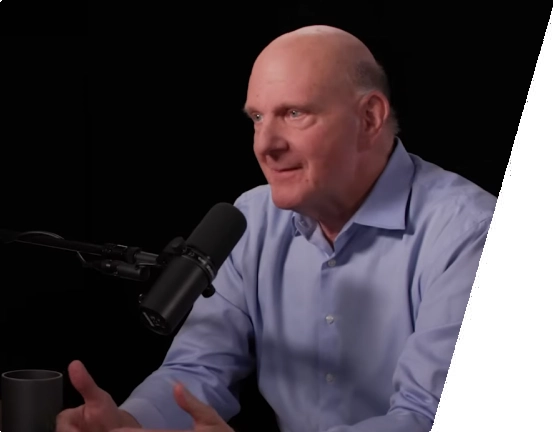
The better you understand your customers, the smarter your decisions and the more successful your business.
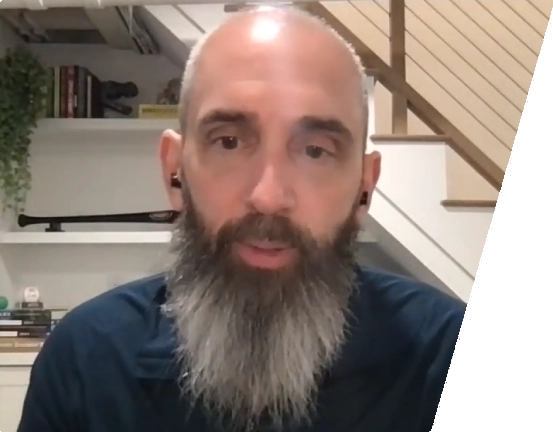
Good marketing makes the company look smart. Great marketing makes the customer feel smart.

To get the real value out of AI, the work has to be designed for it from the start rather than bolted on afterwards.

Set up the first conversation on the pages that matter: what to explain, which questions to ask, when to stay quiet and what to pass to your team.